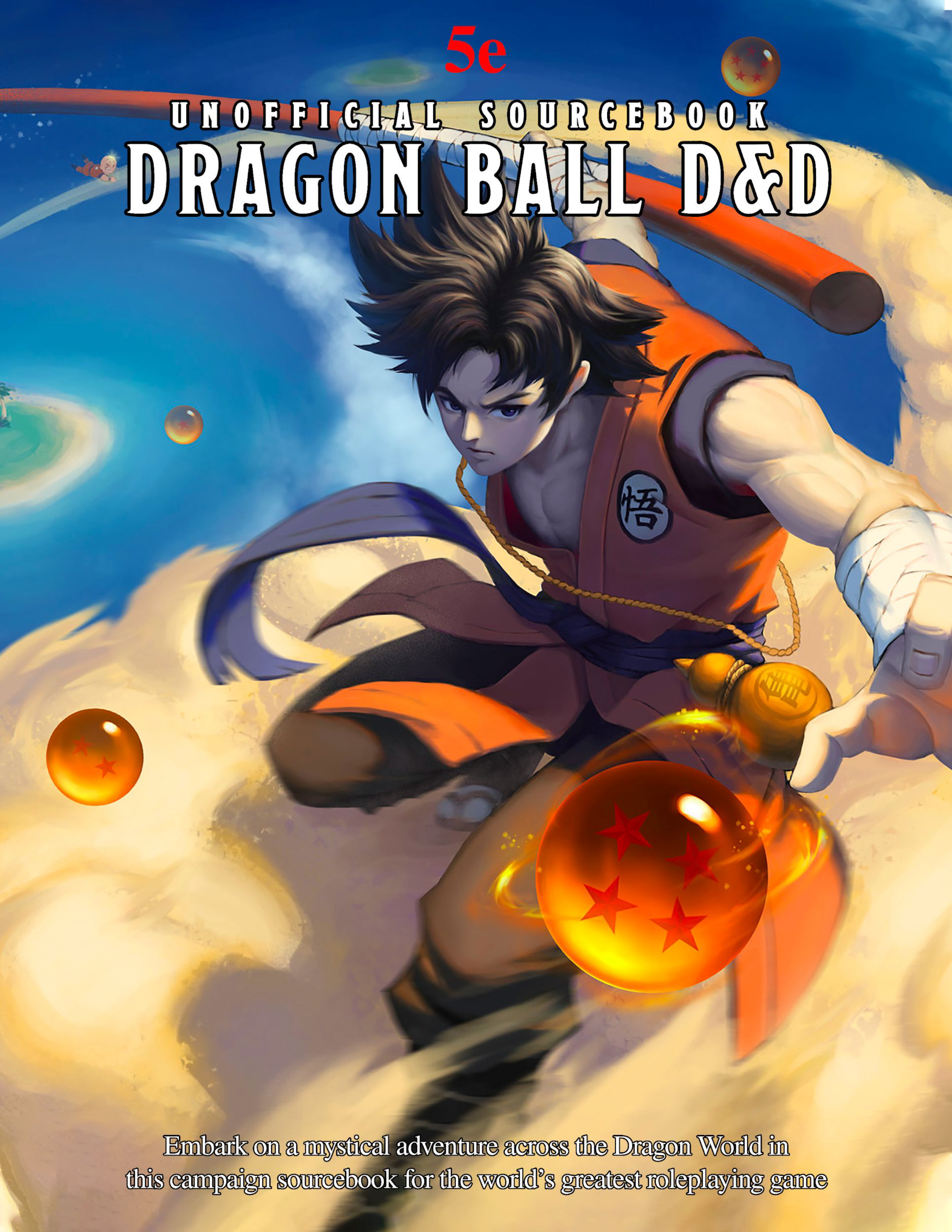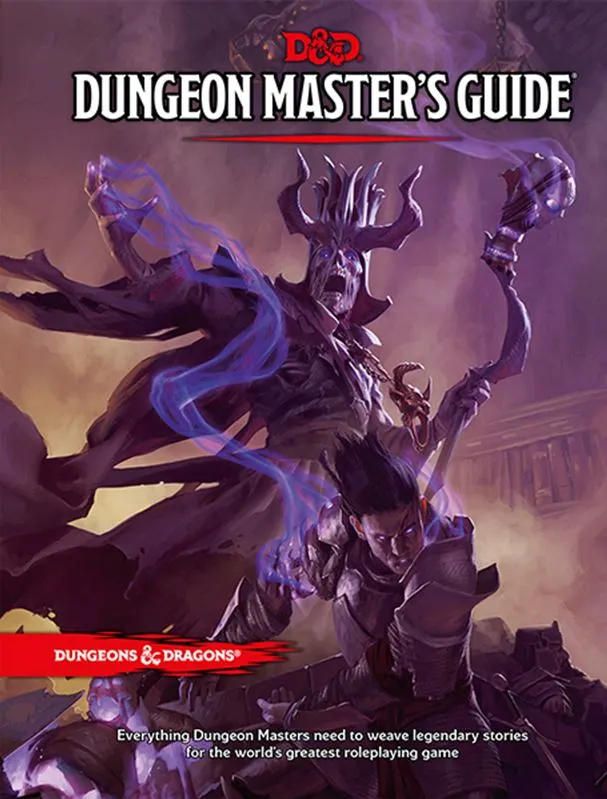
In D&D, the line between “official” and “unofficial” can be blurry. Wizards of the Coast (WotC) regularly releases new books, adventures, and settings, so what counts as official keeps expanding. Very simply, if WotC didn’t make it, it’s unofficial. Some people even argue that the “most official” version of D&D is just the Player’s Handbook and Dungeon Master’s Guide, with everything else being optional.
That said, D&D is not a game with one correct way to play. As long as everyone at the table is having fun, you’re playing it right. Official content is just one approach—albeit a very polished and well-tested one. Even if you only use official material, there’s still an enormous amount of flexibility, creativity, and variety in the stories you can tell.